
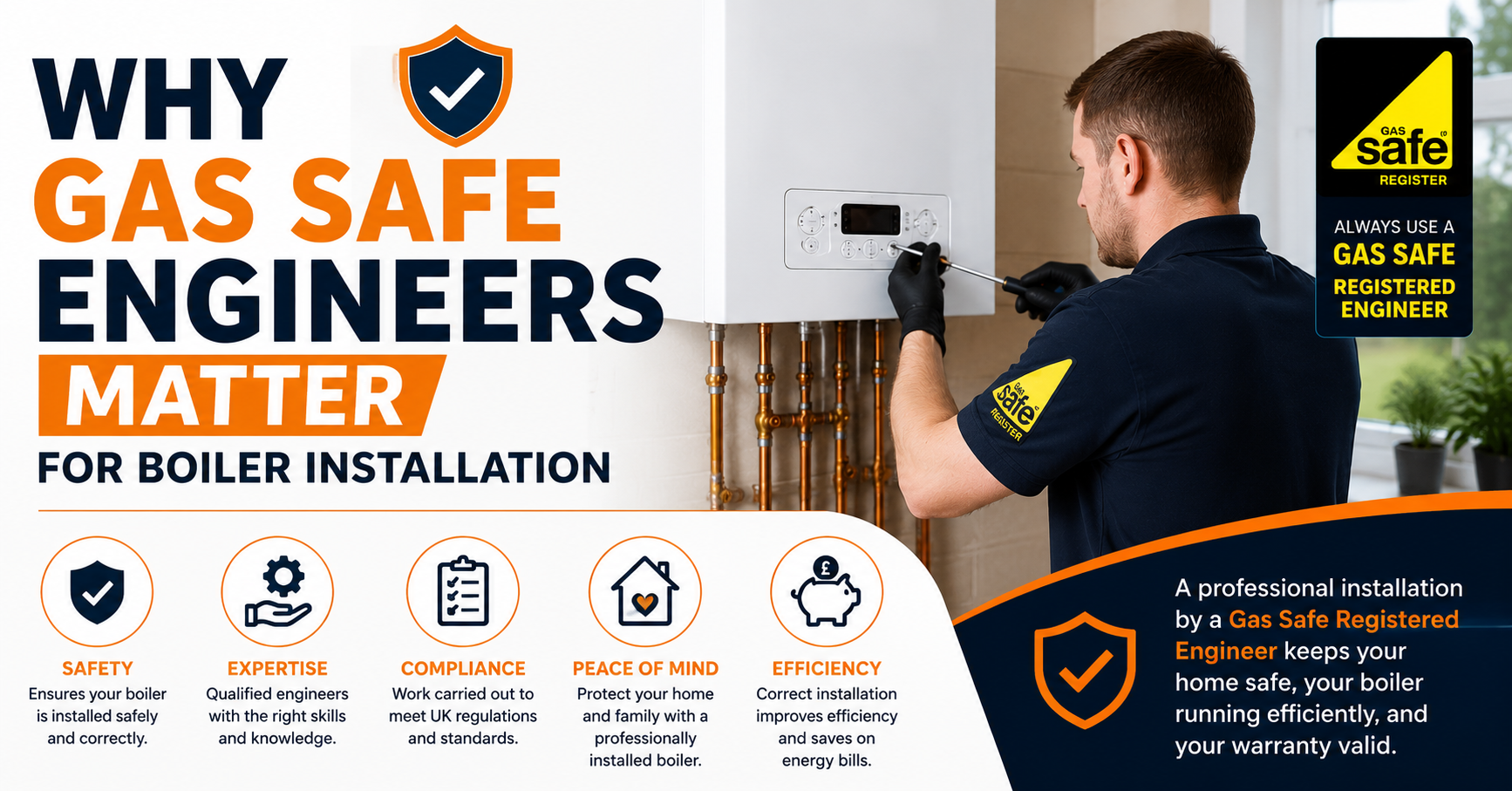
Why Gas Safe Engineers Matter for Boiler Installation
Understanding the Importance of Boiler Installation Safety
Installing a boiler may sound like a straightforward home improvement task, but the reality is far more technical and potentially dangerous. A boiler is not just another household appliance—it is the beating heart of your home’s heating and hot water system. Whether it is keeping your radiators warm during freezing winters or ensuring a hot shower after a long day, a properly installed boiler makes daily life comfortable. Yet, many homeowners underestimate how critical professional installation is until something goes wrong.
When dealing with gas appliances, precision is everything. A single mistake in installation can lead to severe safety hazards, reduced energy efficiency, or expensive repairs. This is exactly why Gas Safe engineers matter so much during boiler installation. They are specially trained professionals qualified to work legally and safely with gas appliances in the UK. Their expertise protects households from risks that often remain invisible until they become emergencies.
According to UK safety authorities, poorly fitted gas appliances can cause gas leaks, explosions, fires, and carbon monoxide poisoning—a silent and deadly threat because it has no smell, taste, or color. Every year, unsafe gas work contributes to numerous preventable accidents. Hiring a certified professional dramatically reduces these risks while ensuring compliance with legal standards.
A professionally installed boiler also performs better over time. Think of your boiler like a car engine—if assembled incorrectly, even premium equipment can fail quickly or operate inefficiently. A Gas Safe registered engineer ensures that every pipe, valve, connection, and pressure setting functions perfectly, protecting both your investment and your family.
Why Boiler Installation Is More Complex Than It Seems
Many people imagine boiler installation as simply removing an old unit and connecting a new one. In reality, the process involves intricate technical assessments, pipework inspections, ventilation requirements, system balancing, pressure calibration, and safety testing. Even choosing the right boiler size for a property requires professional judgment.
For example, installing an oversized boiler can waste energy and increase utility bills, while an undersized system may struggle to heat the home effectively. A qualified engineer evaluates household heating demands before recommending a suitable model.
Installation also requires compliance with Building Regulations, gas safety laws, and manufacturer specifications. Missing even one technical requirement can compromise safety and void warranties. Manufacturers often insist on certified installation because improper fitting can shorten product lifespan significantly.
Imagine buying an expensive smartphone and exposing it to water without protection—you would expect damage. Similarly, investing thousands in a boiler but allowing an inexperienced installer to fit it creates unnecessary risks. Proper installation is not merely about convenience; it is about long-term reliability and household protection.
The Risks of Poor Boiler Installation
An improperly installed boiler can quietly become one of the most dangerous appliances in a home. While some issues appear immediately—such as poor heating performance—others remain hidden for months or years.
The most alarming danger is carbon monoxide exposure. Often called the “silent killer,” carbon monoxide poisoning happens when gas appliances fail to burn fuel correctly. Symptoms may initially resemble common illnesses, including headaches, dizziness, nausea, or fatigue. Without intervention, prolonged exposure can become fatal.
Gas leaks are another major concern. Faulty connections or poor sealing may allow gas to escape unnoticed, increasing fire or explosion risks. Even a small spark can trigger devastating consequences.
Financially, poor installation often becomes a costly mistake. Homeowners may face frequent repairs, higher energy bills, or complete system failure far sooner than expected. Instead of saving money by hiring an unqualified installer, many end up paying significantly more over time.
Why Gas Safe Engineers Matter for Boiler Installation
Understanding the Importance of Boiler Installation Safety
A boiler is one of the most essential systems in any home, quietly working in the background to provide heating and hot water every single day. Most homeowners only think about it when something goes wrong, but by then, the problem is often already expensive or even dangerous. Boiler installation is not just a technical upgrade—it is a safety-critical process that directly affects the wellbeing of everyone in the property. This is where Gas Safe engineers matter most, because they are trained to handle the complexities and risks associated with gas systems.
Gas appliances operate under pressure, involve combustion, and rely on precise calibration to function safely. Even a small installation error can lead to serious consequences such as leaks, inefficient burning, or system breakdown. Unlike many home improvement tasks, boiler installation is heavily regulated for good reason. The margin for error is extremely small, and the consequences of getting it wrong can be severe.
Another often overlooked factor is how installation quality affects long-term performance. A correctly installed boiler runs efficiently, uses less fuel, and lasts longer. A poorly installed one may seem fine initially but gradually becomes unreliable and costly. This is why professional installation is not optional—it is fundamental to both safety and efficiency in the home.
Why Boiler Installation Is More Complex Than It Seems
At first glance, installing a boiler might appear to be a straightforward swap: remove the old unit and connect the new one. In reality, the process is far more technical. It involves assessing the entire heating system, pipework condition, gas pressure levels, ventilation requirements, condensate disposal, and electrical connections. Each of these components must be correctly configured for the system to operate safely.
A Gas Safe engineer does not just “fit” a boiler—they design the installation around the specific property. For example, they determine whether the existing pipework can handle the new boiler’s output or if upgrades are needed. They also check whether the boiler location complies with ventilation and flue regulations, which are critical for safe combustion.
Incorrect installation can lead to system imbalance, where radiators heat unevenly or the boiler constantly cycles on and off. This not only reduces comfort but also increases wear and tear on components. Over time, that means more repairs and higher energy bills. Professional engineers eliminate these risks by ensuring every technical detail is properly handled.
The Risks of Poor Boiler Installation
Poor boiler installation is not just an inconvenience—it can become a serious safety hazard. One of the most dangerous risks is carbon monoxide poisoning, a silent threat caused by incomplete or improper combustion. Carbon monoxide is colorless, odorless, and impossible to detect without a sensor. Exposure can lead to severe illness or even death, making correct installation absolutely essential.
Gas leaks are another major danger. If pipework connections are not sealed properly or if components are incorrectly fitted, gas can escape into the home. Even a small leak can create a highly flammable environment. Combined with electrical systems or open flames, the risk of fire or explosion becomes very real.
Beyond safety, poor installation also impacts performance and cost. A badly installed boiler often struggles to maintain consistent heating, leading to cold spots in the home. It may also consume more gas than necessary, increasing monthly energy bills significantly. Over time, these inefficiencies add up, making what seemed like a cheaper installation far more expensive.
What Is a Gas Safe Engineer?
A Gas Safe engineer is a professionally qualified technician legally registered to work on gas appliances in the United Kingdom. The Gas Safe Register is the official body responsible for ensuring that engineers meet strict safety standards before they are allowed to install, repair, or service gas systems. This certification is not optional—it is a legal requirement for anyone working with gas appliances.
The role of a Gas Safe engineer goes beyond basic installation. They are trained to diagnose faults, ensure compliance with safety regulations, and verify that systems operate efficiently. Their work includes pressure testing, leak detection, ventilation checks, and system commissioning. Every step is documented to ensure the installation meets national safety standards.
Homeowners often assume that any heating technician can install a boiler, but only Gas Safe registered professionals are legally permitted to carry out this work. This distinction is crucial because it ensures accountability and protects consumers from unsafe practices.
The Role of the Gas Safe Register
The Gas Safe Register is the official list of engineers who are legally qualified to work on gas systems in the UK. It replaced CORGI registration in 2009 to strengthen safety standards and improve regulation in the industry.
Every registered engineer carries a unique license number, which can be verified online. This system allows homeowners to confirm that the person working in their home is properly qualified. The register also categorizes engineers based on their specific competencies, meaning not all Gas Safe engineers are qualified for every type of gas work.
The register plays a key role in public safety by ensuring ongoing compliance. Engineers must renew their certification regularly, demonstrating continued competence and awareness of updated regulations.
Qualifications and Certifications Required
Becoming a Gas Safe engineer requires extensive training and assessment. Candidates must complete recognized qualifications in gas safety, heating systems, and installation techniques. This is followed by practical assessments to ensure they can safely handle real-world scenarios.
Once qualified, engineers must register with the Gas Safe Register and maintain their certification through periodic reassessment. This ensures they remain up to date with evolving technologies and safety regulations.
Why Hiring a Gas Safe Engineer Is Essential
Hiring a Gas Safe engineer is not just a recommendation—it is a legal and safety requirement for any boiler installation in the UK. Gas appliances are classified as high-risk systems, and only certified professionals are permitted to work on them. This regulation exists to protect homeowners from unsafe installations and ensure consistent safety standards across the industry.
A Gas Safe engineer ensures that every aspect of installation meets strict legal and technical requirements. This includes correct gas pressure settings, safe flue positioning, proper ventilation, and secure pipe connections. Without this expertise, even a brand-new boiler can become dangerous or inefficient.
Another key reason for hiring a qualified engineer is accountability. If something goes wrong after installation, a Gas Safe engineer is traceable through the official register. This provides homeowners with protection and recourse, which is not available when using unregistered installers.
Legal Requirements for Gas Boiler Installation
In the UK, it is illegal for anyone who is not Gas Safe registered to install or service gas appliances. This law is enforced to prevent unsafe practices and reduce the risk of gas-related incidents in homes.
Homeowners who use unregistered installers not only risk their safety but may also face legal and insurance complications. Insurance providers often refuse claims if a boiler was installed illegally or incorrectly. This makes compliance not just a safety issue, but a financial one as well.
Building regulations also require that all new boiler installations are certified and documented. A Gas Safe engineer provides the necessary compliance paperwork after installation, confirming that the system meets all legal standards.
Ensuring Household Safety
Safety is the most important reason for hiring a Gas Safe engineer. They are trained to identify risks that are invisible to untrained individuals. This includes checking for gas leaks, ensuring proper combustion, and verifying ventilation systems.
Their work significantly reduces the risk of carbon monoxide poisoning, one of the most dangerous consequences of faulty gas appliances. Engineers also install and test safety devices where required, adding an additional layer of protection for households.
Compliance With Manufacturer Warranty
Most boiler manufacturers require installation by a Gas Safe registered engineer for the warranty to remain valid. If a boiler is installed by an unqualified person, the warranty may be void immediately.
This means that any future repairs or replacements would need to be paid for out of pocket. By hiring a certified engineer, homeowners ensure that their investment is protected and eligible for manufacturer support.
Common Risks of Using Unqualified Installers
Using an unqualified installer might seem like a way to save money, but it often leads to far greater risks and expenses. The most serious concern is safety, but financial and performance issues are equally important.
Carbon Monoxide Poisoning
Carbon monoxide is produced when gas does not burn properly. Faulty installation can disrupt the combustion process, leading to dangerous levels of this gas. Because it cannot be detected by human senses, victims often do not realize they are being exposed until symptoms become severe.
Proper installation ensures correct airflow, combustion balance, and safe exhaust venting, preventing this silent hazard.
Gas Leaks and Fire Hazards
Incorrectly fitted pipework or loose connections can result in gas leaks. Even small leaks can accumulate in enclosed spaces, creating a highly explosive environment. A single ignition source can trigger a fire or explosion.
Gas Safe engineers conduct pressure tests and safety inspections to eliminate these risks before the system is used.
Reduced Boiler Efficiency and Costly Repairs
Poor installation often leads to inefficient operation. Boilers may overwork, short cycle, or fail to distribute heat evenly. This increases energy consumption and puts strain on internal components, leading to frequent breakdowns and expensive repairs.
Benefits of Choosing a Gas Safe Engineer
Choosing a Gas Safe engineer provides long-term safety, efficiency, and financial protection. Their training ensures that boilers are installed correctly the first time, reducing future issues.
Professional Expertise and Correct Installation
Gas Safe engineers understand system design, boiler compatibility, and installation regulations. Their expertise ensures that every component works together efficiently, reducing the risk of future faults.
Long-Term Energy Efficiency
A properly installed boiler runs more efficiently, consuming less fuel and reducing energy bills. Over time, this can result in significant savings for homeowners.
Peace of Mind and Insurance Compliance
Knowing that a qualified professional installed the boiler provides peace of mind. It also ensures compliance with insurance policies, protecting homeowners from unexpected financial losses.
How to Verify a Gas Safe Engineer
Verifying an engineer is simple but essential. Every legitimate Gas Safe engineer is listed on the official Gas Safe Register.
Checking the Gas Safe Register Online
Homeowners can search the engineer’s license number or business name on the official register website. This confirms their qualifications and the type of work they are authorized to perform.
Questions to Ask Before Hiring
It is important to ask whether the engineer is qualified for boiler installation specifically, not just general gas work. You can also request to see their Gas Safe ID card before any work begins.
Choosing the Right Professional for Boiler Installation
Selecting the right engineer involves more than checking certification. Experience, reputation, and specialization in boiler systems all matter. A good Gas Safe engineer will provide clear explanations, transparent pricing, and full documentation after installation.
Homeowners should avoid unusually low quotes, as these often indicate shortcuts or unqualified labor. Investing in a properly certified engineer ensures safety, efficiency, and long-term reliability.
Conclusion
Gas Safe engineers play a critical role in ensuring that boiler installations are safe, efficient, and legally compliant. Their training and certification protect households from serious risks such as carbon monoxide poisoning, gas leaks, and system failures. While unqualified installers may seem cheaper, the long-term consequences often outweigh any initial savings. Choosing a certified professional is not just about compliance—it is about protecting your home, your investment, and your safety.
FAQs
Is it illegal to install a boiler without a Gas Safe engineer?
Yes, in the UK it is illegal for anyone who is not Gas Safe registered to install or work on gas appliances.
How do I check if an engineer is Gas Safe registered?
You can verify their details on the official Gas Safe Register website using their license number or business name.
What happens if a boiler is installed incorrectly?
It can lead to gas leaks, carbon monoxide poisoning, inefficiency, frequent breakdowns, and voided warranties.
Can a Gas Safe engineer help improve energy efficiency?
Yes, proper installation ensures optimal performance, reducing energy waste and lowering utility bills.
How much does a Gas Safe boiler installation cost?
Costs vary depending on boiler type and property size, but typically range from moderate to high investment due to safety and labor requirements.
